
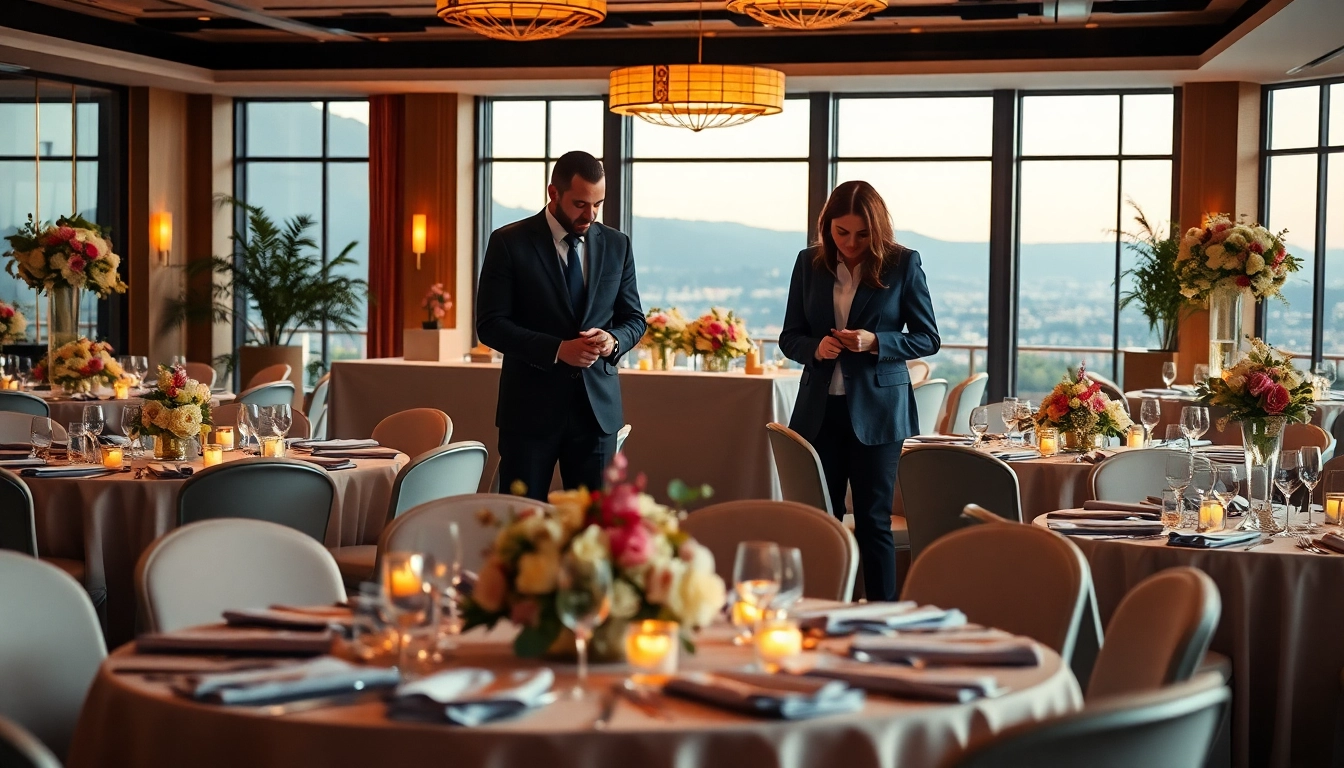
Introduction to Event Planning
Event planning is a multifaceted endeavor that requires careful consideration of numerous elements to ensure a seamless experience. From corporate gatherings to joyous celebrations, the essence of effective event planning lies in understanding the intricate details that can make or break a successful event. As part of creating memorable experiences, one must recognize the significance of budgeting, venue selection, logistics coordination, and promotional strategies. With the right approach, planning can not only alleviate stress but also enhance the overall enjoyment and effectiveness of the occasion. This guide is designed to provide comprehensive insights into the event planning process, helping you stay organized and informed throughout your journey. For those interested in enhancing their event with high-quality aesthetics, visit https://www.casablancahire.co.uk/.
Understanding Your Event’s Purpose
The first step in planning any event is to clearly define its purpose. Understanding why you are organizing the event will help guide decisions such as the type of event, target audience, and desired outcomes. Ask yourself questions like: Is the event meant to celebrate a milestone, such as a wedding or anniversary? Is it an educational seminar or a corporate event aimed at increasing brand presence? By identifying the core purpose, you can align all subsequent planning phases to achieve specific goals and ensure a coherent experience for attendees.
Identifying Your Target Audience
Knowing your target audience is crucial to the success of any event. It influences everything from the venue choice to the promotional strategies employed. Conducting market research through surveys, focus groups, or demographic analysis can provide valuable insights. Consider factors like age, interests, and professional backgrounds. Understanding your audience will allow you to create engaging content and interactions that resonate with them, encouraging attendance and participation.
Budgeting for Success
Creating a detailed budget is vital to avoid overspending and financial strain during the event planning process. Start by establishing a realistic budget based on previous events or industry standards. Include all potential costs, such as venue rental, catering, entertainment, decorations, and marketing. Keep in mind that unanticipated expenses often arise, so it’s wise to allocate a contingency fund. Regularly review and adjust your budget as needed, ensuring that you remain fiscally responsible throughout the planning process.
Choosing the Right Venue
The venue has a significant impact on the overall atmosphere, functionality, and success of your event. Selecting an appropriate location is essential for meeting your objectives and providing a positive experience for attendees.
Factors to Consider When Selecting a Venue
The selection of a venue involves multiple considerations. Begin by evaluating the capacity of the space to ensure it accommodates your expected attendance. Accessibility is another crucial factor; consider whether the venue is easy to reach and provides facilities for individuals with disabilities. Additionally, assess the amenities offered by the venue, such as audiovisual equipment, Wi-Fi, and catering services. The ambiance and location’s image should also align with the event’s theme, enhancing the overall experience.
Maximizing Space and Setup
Once you’ve chosen a venue, you’ll need to plan how to best utilize the space. Consider different setups such as theatre-style seating for presentations, banquet tables for dining, or lounge settings for informal gatherings. Create a flow that facilitates movement and engagement among guests. Additionally, strategize on areas for registration, networking, and breakout sessions to maximize attendee interaction. Regular walkthroughs of the venue prior to the event can help identify potential adjustments for optimal space utilization.
Venue Contract Essentials
After selecting your venue, it’s crucial to review and understand the terms of the venue contract. Make sure to clarify key elements such as cancellation policies, deposit requirements, and liability coverage. Pay attention to the specifics regarding setup and teardown times to avoid scheduling conflicts. Confirm what amenities are included, such as tables, chairs, and audio-visual equipment, and discuss penalties for exceeding your scheduled time. Having a clear agreement can prevent unexpected disputes and ensure a smoother event experience.
Coordinating Event Logistics
Logistics form the backbone of any well-executed event, involving various moving parts that require precise timing and organization.
Creating a Timeline for Event Tasks
One of the first steps in logistics coordination is creating a comprehensive timeline that outlines key tasks leading up to the event. Begin by identifying important milestones, such as booking vendors, securing permits, and finalizing guest lists. Allocate deadlines for each task and assign responsibilities to team members or vendors. Including a timeline in your planning ensures that all parties stay on track, and nothing falls through the cracks.
Managing Vendors and Suppliers
Vendor management is critical to organizing a successful event. Establish clear lines of communication with all parties involved, including catering, audiovisuals, transportation, and entertainment. Foster relationships that encourage collaboration and support leading up to and during the event. Creating a vendor contact list with key information can help streamline communication and ensure that everyone is aligned on expectations and timelines. Regular check-ins are advisable as the event date approaches to address any potential issues proactively.
Handling Last-Minute Challenges
No matter how well you plan, challenges may arise that require quick thinking and adaptability. Develop a contingency plan for common scenarios, such as vendor cancellations, inclement weather for outdoor events, or unforeseen technical issues. Ensuring that your team is aware of these plans can minimize stress on the day of the event. Additionally, fostering a flexible mindset will enable you to pivot quickly when challenges present themselves.
Promoting Your Event
Effective promotion is essential for attracting attendees and generating excitement about your event. A well-crafted marketing plan can significantly improve your event’s visibility and success.
Utilizing Social Media Platforms
Social media is a powerful tool for promoting events. Identify platforms where your target audience is most active and leverage them to create buzz. Utilize visually engaging graphics, videos, and compelling stories to capture interest. Encourage attendees to share their excitement and engage with your content through comments and shares. Creating a unique event hashtag can also help track conversation and increase visibility.
Engaging with Potential Attendees
Building a connection with potential attendees is vital for driving registration and participation. Consider hosting pre-event activities such as webinars or live Q&As to provide insights and build anticipation. Respond to inquiries promptly and personally. Share success stories from past events or testimonials from previous attendees to showcase the value they can expect from participating.
Effective Messaging and Visuals
Your messaging and visuals are crucial in conveying the event’s value. Ensure that all promotional materials are consistent in tone, design, and messaging. Use clear and concise language to communicate key details, including the date, time, location, and benefits of attending. High-quality visuals can capture attention and create an inviting atmosphere aligned with your event theme.
Post-Event Evaluation
Evaluation is a critical phase that allows you to assess the success of your event and identify areas for improvement in future planning.
Gathering Feedback from Attendees
Post-event feedback is invaluable. Utilize surveys, interviews, or feedback forms to gather insights from attendees about their experience. Ask specific questions about aspects such as the venue, speakers, and materials provided. Data collected can inform future event planning, helping refine processes and enhance attendee satisfaction. Ensure to express gratitude for their participation and feedback.
Measuring Event Success Metrics
Success metrics can vary based on event goals but commonly include attendance rates, engagement levels, and social media interaction. Analyze data from registration platforms and social media analytics to assess the event’s reach and engagement. Other metrics may include revenue generated from ticket sales or sponsorships. A comprehensive evaluation of these metrics will provide a clearer picture of your event’s impact and guide decisions for future iterations.
Planning for Future Events
Post-event debriefs with your planning team can help translate your findings into actionable improvements for future events. Identify what worked well and what elements fell short. Adjustments can be made to budgeting, venue selection, or promotional strategies based on insights gained from the previous event. Setting improvement goals for your next event can elevate your planning success and enhance attendee satisfaction.
Frequently Asked Questions
What is the first step in planning an event?
The first step is to clearly define the event’s purpose, which helps guide the planning process and decision-making.
How do I identify my target audience?
Conduct market research using surveys, focus groups, or demographic analysis to understand the interests and needs of potential attendees.
What should be included in an event budget?
Your budget should account for venue rental, catering, decorations, marketing, and potential last-minute expenses as a contingency.
How can I promote my event effectively?
Utilize social media platforms, engage potential attendees through pre-event activities, and maintain consistent messaging and visuals.
Why is post-event evaluation important?
Post-event evaluation helps gather feedback and measure success metrics, allowing for continuous improvement in future event planning.