
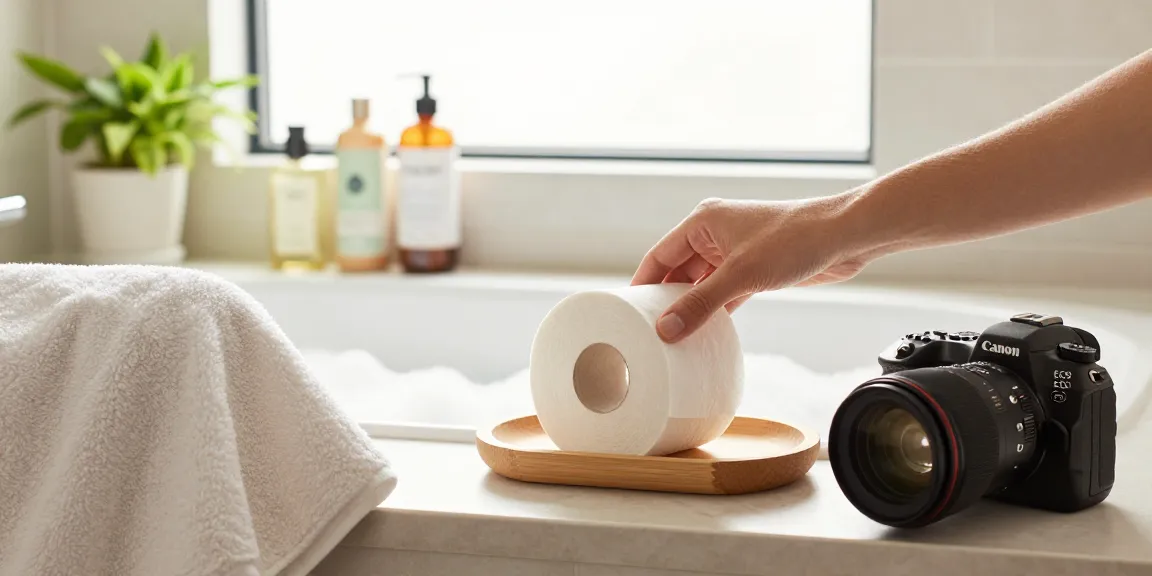
Understanding Bamboo Toilet Tissue: A Sustainable Choice
In a world increasingly aware of environmental issues, the choices we make for everyday products have significant impacts. One such product is toilet tissue, which most of us use without giving it a second thought. However, traditional toilet paper is often made from trees, contributing to deforestation and environmental degradation. Enter Bamboo Toilet Tissue, a sustainable alternative that not only serves the same purpose but also helps preserve our planet’s precious resources. This article will explore the nuances of bamboo toilet tissue, its benefits, common misconceptions, and its manufacturing processes to provide a comprehensive understanding of why it is becoming a popular choice for eco-conscious consumers.
What is Bamboo Toilet Tissue?
Bamboo toilet tissue is a type of toilet paper made from bamboo fibers rather than traditional wood pulp. Bamboo is a member of the grass family and is known for its rapid growth and renewability. Unlike trees, which can take decades to mature, bamboo can grow to full height in just a few months. This property makes it a more sustainable resource for manufacturing toilet tissue, aligning with the growing trend towards eco-friendly products.
Benefits of Switching to Bamboo Toilet Tissue
There are numerous reasons to consider making the switch to bamboo toilet tissue:
- Sustainability: Bamboo grows quickly and can be harvested without damaging the plant, allowing for continual production without deforestation.
- Softness and Comfort: Contrary to common misconceptions, bamboo toilet tissue is incredibly soft and gentle on the skin, offering a luxurious experience comparable to traditional toilet paper.
- Biodegradability: Bamboo is a natural product that breaks down easily in compost, making it a better choice for the environment.
- Reduced Carbon Footprint: The cultivation and processing of bamboo require less water and energy compared to traditional wood pulp, contributing to a lower overall carbon footprint.
Common Misconceptions about Bamboo Products
Despite its benefits, bamboo toilet tissue is often misunderstood. Many consumers worry about the softness and comfort of bamboo products, fearing they may be rough or irritating. However, modern manufacturing techniques ensure that bamboo toilet tissue is exceptionally soft, providing an experience that rivals that of conventional brands. Additionally, concerns about bamboo depleting panda habitats are unfounded, as the bamboo used for toilet tissue is sourced from farms that are not located in panda-rich areas.
Environmental Impact of Traditional Toilet Paper
Deforestation and Its Consequences
Traditional toilet paper production heavily relies on trees, contributing significantly to deforestation. According to the World Wildlife Fund, approximately 27,000 trees are cut down each day to meet the demand for toilet paper alone. This mass deforestation leads to habitat loss, increased carbon emissions, and a decline in biodiversity. The shift to bamboo toilet tissue is not just a personal choice; it’s a step towards combating these issues and preserving our planet’s forests.
Waste and Resource Usage Comparison
The resource usage for traditional toilet paper production is staggering. From water consumption to energy expenditure, the manufacturing process is both resource-intensive and environmentally damaging. In contrast, bamboo requires minimal water to grow and can thrive without pesticides. This significant reduction in resource usage is one of the key advantages of bamboo toilet tissue.
Carbon Footprint Reduction with Bamboo
By switching to bamboo toilet tissue, consumers can drastically reduce their carbon footprints. The lifecycle emissions associated with bamboo products are substantially lower than those of conventional toilet paper. This reduction is primarily due to bamboo’s rapid growth, efficient carbon absorption during its lifecycle, and lower energy requirements in the manufacturing process.
The Process of Manufacturing Bamboo Toilet Tissue
How Bamboo is Harvested and Processed
The journey of bamboo toilet tissue begins with the careful harvesting of bamboo stalks. Once harvested, the bamboo is stripped of its outer layer, and the inner fibers are broken down into smaller pieces. These fibers are then processed in a series of steps that include pulping, washing, and bleaching to ensure a soft, high-quality product. This process not only preserves the integrity of the bamboo but also minimizes waste.
Comparing Manufacturing Processes: Bamboo vs. Virgin Paper
The manufacturing process for bamboo toilet tissue shares similarities with that of virgin paper but has notable differences in sustainability practices. While virgin paper involves cutting down trees and may include harmful chemicals for bleaching, bamboo pulp production emphasizes eco-friendly practices, including the use of natural bleaching agents and sustainable farming methods.
Innovations in Sustainable Tissue Production
With the increasing demand for eco-friendly products, manufacturers are continually innovating in the field of sustainable tissue production. Recent advancements include improvements in the pulping process that reduce energy consumption and innovations in packaging that minimize plastic use. These efforts not only enhance the sustainability of bamboo toilet tissue but also offer a model for future developments in the industry.
Choosing the Right Bamboo Toilet Tissue for Your Home
Understanding Product Labels and Certifications
When selecting bamboo toilet tissue, it is essential to pay attention to product labels and certifications. Look for products that are certified by reputable organizations such as the Forest Stewardship Council (FSC) or have labels indicating they are made from sustainably sourced bamboo. These certifications ensure that the product not only meets quality standards but also complies with environmental sustainability practices.
Tips for Purchasing and Subscription Services
Many brands, including Tiboo, offer subscription services for bamboo toilet tissue, which can help reduce waste and ensure that you never run out of toilet paper. Subscribing often comes with benefits, such as discounts and flexible delivery options. When shopping, consider starting with a sample pack to gauge softness and comfort before committing to a larger order.
How to Test Comfort and Quality
If you’re new to bamboo toilet tissue, testing the comfort and quality is a must. Start with smaller quantities to ensure it meets your expectations. Pay attention to factors such as softness, strength, and absorption. Many consumers are pleasantly surprised by the luxurious feel of bamboo compared to traditional toilet paper.
Future Trends in Eco-Friendly Products
The Rise of Bamboo in the Household Products Market
The household products market is witnessing a significant shift towards sustainable options. Bamboo, with its rapid growth and minimal environmental impact, is becoming a staple in many eco-friendly product lines. This trend is expected to continue, with more consumers seeking out bamboo alternatives for everyday products such as kitchen rolls, napkins, and more.
Sustainable Living and Consumer Behavior Shifts
As consumer awareness of environmental issues grows, so does the demand for sustainable living options. People are increasingly making intentional choices about the products they purchase, including bamboo toilet tissue. This shift signifies a broader movement towards sustainability and environmental responsibility.
Predictions for Eco-Friendly Innovations by 2026
Looking ahead, the eco-friendly product market is set to expand significantly by 2026. Advancements in materials science may lead to even more efficient and sustainable products, including innovations in bamboo cultivation and processing. The integration of technology in sustainable practices will likely shape the future of eco-friendly products.
What are the Health Benefits of Using Bamboo Toilet Tissue?
Bamboo toilet tissue is not only good for the environment, but it also offers health benefits. It is naturally hypoallergenic and antimicrobial, making it an excellent choice for individuals with sensitive skin or allergies. Furthermore, the lack of added chemicals in bamboo tissue ensures that you’re using a product free from potentially harmful substances.
Are There Any Downsides to Using Bamboo Toilet Tissue?
While bamboo toilet tissue is largely beneficial, there are a few considerations to keep in mind. The cost may be higher than traditional options, which can deter some consumers. Additionally, the availability of bamboo products may vary by location, though online shopping has alleviated this issue considerably.
How Can I Encourage Others to Switch to Bamboo Toilet Tissue?
To inspire friends and family to switch to bamboo toilet tissue, consider sharing your personal experiences and the benefits you’ve discovered. Offering samples or discussing the environmental impact of traditional toilet paper can be effective methods for encouraging others to make the change.
What Makes Bamboo a Better Option for the Environment?
Bamboo is considered a superior option for the environment for several reasons. Its rapid growth, ability to thrive without chemicals, and the fact that it does not require replanting after harvesting contribute to its status as a sustainable resource. By choosing bamboo products, consumers play a role in reducing deforestation and promoting ecological balance.
How is Bamboo Toilet Tissue Made Compared to Regular Toilet Paper?
The production of bamboo toilet tissue differs from traditional toilet paper in its raw materials and processing methods. For more information, Bamboo Toilet Tissue offers valuable insights. While traditional paper relies on the cutting down of trees, bamboo production focuses on sustainable farming practices, ensuring a minimal ecological footprint. The resulting product retains the softness and absorbency of traditional options while supporting the environment.
What Should I Look for in Quality Bamboo Toilet Tissue?
When evaluating bamboo toilet tissue, consider aspects like softness, strength, and eco-friendliness. High-quality products will feel soft against the skin while remaining durable. Check for certifications that confirm the product’s sustainable sourcing and manufacturing processes to ensure you’re making an environmentally responsible choice.