
Understanding Sports Broadcasting
Definition and Importance of Sports Broadcasting
Sports broadcasting encompasses the live transmission and recording of sporting events, providing viewers with real-time access to games, commentary, and analysis. This field plays a pivotal role in shaping the sports industry, promoting events, and engaging fans. It strengthens community ties and enhances the culture surrounding sports, making it essential for leagues, teams, and sponsors alike. As the demand for diverse content increases, Sports Broadcasting stands at the forefront of this transformation.
Key Components of Sports Broadcasting
Successful sports broadcasting integrates various components, including live feeds, play-by-play commentary, color commentary, graphics, and fan engagement tools. Each component contributes to a comprehensive viewing experience. For instance, live feeds provide real-time action, while commentary adds context and excitement. Graphics enhance narratives, making statistics and player information accessible. Together, these elements create a multi-dimensional experience that keeps viewers engaged.
Current Trends in Sports Broadcasting
The landscape of sports broadcasting is constantly evolving. The rise of OTT (Over-the-Top) services has changed how audiences consume sports content, leading to an increase in on-demand platforms and personalized viewing experiences. Moreover, social media integration has become crucial, allowing fans to interact with live broadcasts. Virtual and augmented reality are also gaining traction, offering immersive experiences that draw viewers even closer to the action.
The Technology Behind Sports Broadcasting
Types of Equipment Used in Sports Broadcasting
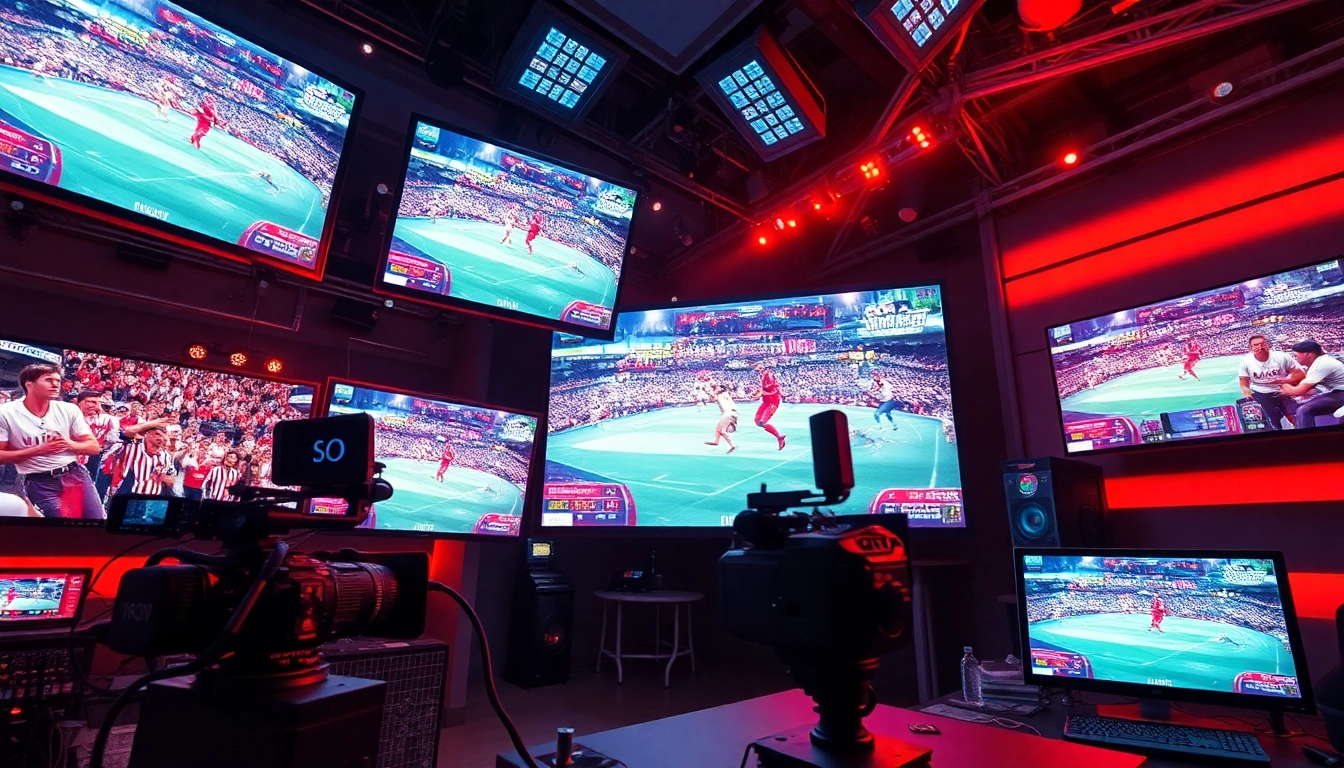
High-quality sports broadcasting relies on advanced equipment, including cameras with high resolution, microphones for capturing clear commentary, and production software for seamless editing. Multi-camera setups are often used to provide various angles of the action, while drones are increasingly utilized for aerial shots, adding a unique perspective. Live streaming equipment is also essential for broadcasting events over the internet, reaching wider audiences.
Role of Software in Sports Broadcasting
Software plays a critical role in sports broadcasting. Production software enables editors to compile footage, add graphics, and enhance overall production quality quickly. Real-time analytics tools track viewer engagement and provide insights into audience preferences, helping broadcasters optimize their content. Additionally, social media management software allows for real-time interaction with fans, maintaining engagement during live events.
Emerging Technologies in Sports Broadcasting
Emerging technologies, such as artificial intelligence and machine learning, are revolutionizing sports broadcasting. AI can analyze gameplay in real-time, providing insights that enhance commentary and enhance viewer experience. Moreover, machine learning algorithms help personalize content recommendations for fans. Drones and virtual cameras introduce innovative shooting techniques, while augmented reality graphics provide interactive experiences that engage viewers on multiple levels.
Content Creation for Sports Broadcasting
Effective Storytelling in Sports Broadcasting
At the heart of compelling sports broadcasts is effective storytelling. Narratives around games, athletes, and teams create emotional connections with viewers, elevating their engagement. Broadcasters should focus on crafting stories based on players’ journeys, rivalries, and historical contexts. This approach not only captivates audiences but also enhances the overall viewing experience, making it memorable.
Engaging the Audience through Live Commentary
Live commentary is crucial in sports broadcasting, transforming mere observation into an immersive experience. Commentators should weave narratives that resonate with audiences, offering insights and anecdotes about players and teams. A balance of informative content and entertaining commentary is vital to captivate viewers and maintain their interest throughout the game.
Highlighting Key Moments in Sports Broadcasting
Highlighting key moments enhances the viewing experience by capturing pivotal events during games. Broadcasters should focus on critical play-by-play analysis and showcase highlights that evoke emotions. Utilizing slow-motion replays, expert opinions, and instant analysis can help illuminate the significance of these moments. Enthusiastic coverage fosters a deeper connection with the audience, encouraging them to share the excitement.
Strategies for Marketing Sports Broadcasting
Building a Brand in the Sports Broadcasting Space
Creating a strong brand identity in sports broadcasting involves developing a clear vision and consistent messaging. Brands should focus on delivering quality content, engaging narratives, and a compelling visual aesthetic. To build trust with audiences, transparency and authenticity in communications are essential. Collaborating with influential personalities in sports can also enhance brand visibility and credibility.
Social Media’s Role in Sports Broadcasting
Social media is a powerful tool for marketing sports broadcasts. Platforms like Twitter, Instagram, and Facebook allow broadcasters to interact with fans, share behind-the-scenes content, and generate buzz around events. Engaging content, such as polls, live Q&As, and highlight clips, keeps fans connected and invested. A strategic social media presence can significantly enhance viewership and engagement metrics.
After-Event Engagement Strategies
After an event concludes, maintaining audience engagement is crucial for long-term success. Broadcasters can produce recap videos, highlight reels, and in-depth analyses that keep the conversation going. Encouraging fan feedback through surveys and social media interactions fosters community relationships. Creating content that reflects on events can also help re-engage fans and maintain excitement for future broadcasts.
Measuring Success in Sports Broadcasting
Key Performance Indicators for Sports Broadcasting
To gauge success, broadcasters should track key performance indicators (KPIs), including viewership numbers, engagement rates, and audience retention metrics. Understanding which content resonates with viewers can provide insights into future strategies. Monitoring social media interactions and feedback can also inform improvements to enhance the overall viewing experience.
Analyzing Viewer Engagement and Feedback
Analyzing viewer feedback is essential for continuous improvement in sports broadcasting. Collecting data through surveys, social media metrics, and direct audience engagement can yield invaluable insights. This feedback loop allows broadcasters to fine-tune their content and delivery methods, ensuring they meet the evolving preferences and expectations of their audience.
Adapting Strategies based on Performance Data
Performance data should inform strategic adjustments in sports broadcasting. Broadcasters must remain agile, adapting their content and marketing strategies based on audience engagement metrics. Continuous analysis helps identify trends and shifts in viewer preferences, allowing for a targeted approach that resonates more effectively with the audience. Regular assessments foster innovation, keeping the content fresh and engaging.
Frequently Asked Questions
What is sports broadcasting?
Sports broadcasting refers to the live transmission and recording of sporting events, offering real-time commentary, analysis, and highlights to viewers.
How can storytelling enhance sports broadcasting?
Storytelling creates emotional connections with audiences, making broadcasts more engaging by focusing on player journeys and historical contexts within sports.
What technologies are essential in sports broadcasting?
Key technologies include cameras, microphones, streaming equipment, production software, and emerging tools like AI and augmented reality for enhanced experiences.
How does social media impact sports broadcasting?
Social media enhances fan engagement by allowing real-time interactions, sharing content, and generating buzz around sports events and broadcasts.
Why is measuring success important in sports broadcasting?
Measuring success through KPIs helps broadcasters understand audience engagement, refine content, and drive future strategies to enhance viewer experiences.