
Understanding Petanque and Its Growth at fopikotapontiana.org
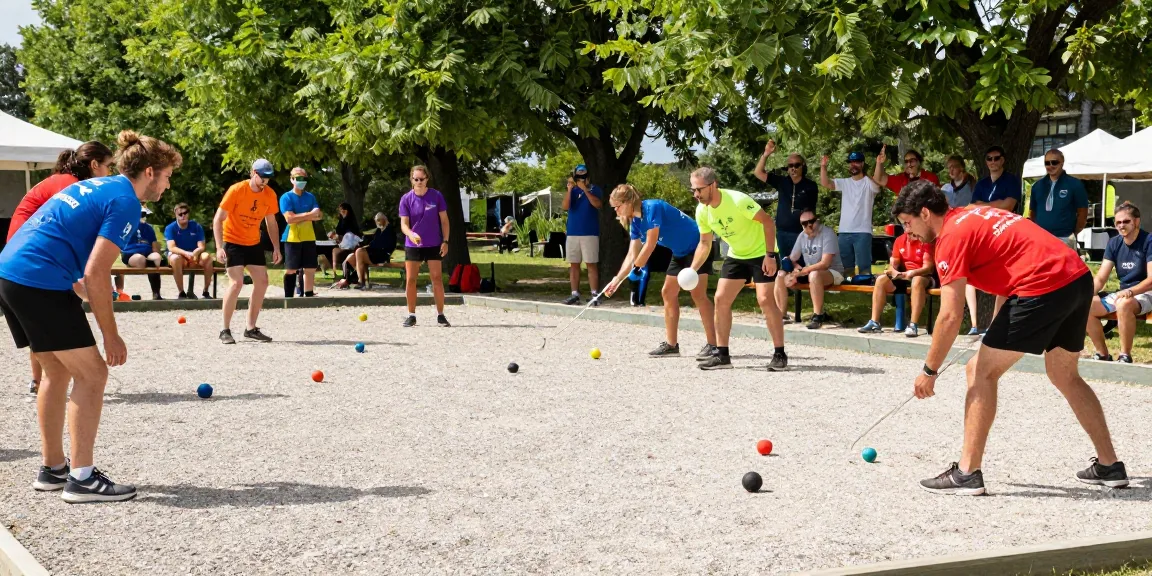
Petanque, a popular outdoor game that originated in France, has been making significant strides in Indonesia, particularly within the vibrant community of Kota Pontianak. This sport, involving players throwing metal balls to get as close as possible to a target ball, called the cochonnet, is not just a game; it embodies a unique cultural exchange and sporting spirit. As you delve into the dynamics of this sport, fopikotapontiana.org serves as a comprehensive resource for enthusiasts and newcomers alike.
What is Petanque?
Petanque is more than just a game; it is a social activity that encourages community engagement and friendly competition. Played on various surfaces, from sand to gravel, it is a sport that promotes strategic thinking, precision, and coordination. Unlike its cousin, boules, petanque requires players to stand within a circle while throwing their metal balls, which adds an exciting challenge. As we explore the intricacies of petanque, it becomes evident that its simplicity is the key to its charm and widespread appeal.
The Historical Journey of Petanque in Indonesia
The journey of petanque’s introduction to Indonesia is intriguing and layered. Although the exact timeline remains somewhat ambiguous, it is widely believed that petanque made its way to Indonesian shores through French expatriates in the 1970s and 1980s. These expatriates set up infrastructure and organized events typically within their hotels, creating a niche segment for the sport. Cities like Jakarta, Lombok, Yogyakarta, and Bali witnessed the initial spark of interest among those who enjoyed the game recreationally.
One notable figure in this history is Eddie Lim, who learned the game in the 1990s at Ancol, Jakarta. After mastering the skills, he returned to Singapore, helping to spread interest in petanque throughout Southeast Asia. The sport gained significant traction when Indonesia hosted the SEA Games in 2011, where petanque was officially recognized as a competitive sport, marking a pivotal moment in its history within the country.
FOPI’s Role in Promoting Petanque
The Federasi Olahraga Petanque Indonesia (FOPI) plays a crucial role in advancing the sport across the country, with its regional offices such as FOPI Kota Pontianak focusing on local development. Established on March 11, 2011, FOPI was formed to oversee the organizational aspects surrounding petanque, including athlete development, competition management, and community outreach. By collaborating with the National Sports Committee (KONI) and provincial bodies, FOPI aims to provide structured support for aspiring athletes.
Key Players and Officials Behind fopikotapontiana.org
Leadership Structure of FOPI Kota Pontianak
The leadership of FOPI Kota Pontianak is instrumental in steering the organization towards achieving its vision. The board comprises individuals passionate about petanque, contributing their expertise to the sport’s development. Their collective efforts focus on creating a sustainable ecosystem for players, coaches, and volunteers, ensuring that all aspects of the sport are nurtured and advanced.
Meet the Coaches and Athletes
The local coaches within FOPI Kota Pontianak are dedicated individuals who possess extensive knowledge and experience in petanque. They are essential in training and mentoring young players, instilling core values such as teamwork, discipline, and respect. The athletes represent a blend of seasoned competitors and enthusiastic newcomers, all driven by a love for the game. Their participation in local and national tournaments showcases their commitment to excellence.
Influential Figures in Petanque Development
Several influential figures have emerged in the Indonesian petanque scene, advocating for its growth and recognition. From coaches to champions, their contributions have elevated the sport’s profile. These figures often share their insights and experiences through workshops and community events, fostering a culture of learning and improvement.
Events and Tournaments Organized by fopikotapontiana.org
Upcoming Tournaments in 2026
As petanque continues to gain popularity, FOPI Kota Pontianak is set to organize several major tournaments in 2026. These events aim not only to showcase the talent of Indonesian athletes but also to raise the sport’s profile and attract international competitors. The tournaments will serve as a platform for players to demonstrate their skills and compete for recognition at local, national, and international levels.
Participation Guidelines for Athletes
Participation in tournaments organized by FOPI requires adherence to specific guidelines designed to ensure fair play and sportsmanship. Athletes must be registered members of their local FOPI chapter, and they should have undergone adequate training under certified coaches. Additionally, adherence to tournament regulations, including equipment standards and eligibility requirements, is crucial for maintaining the integrity of the competition.
Strategies for Successful Event Management
Effective event management is key to the success of petanque tournaments. FOPI Kota Pontianak employs strategic planning that encompasses logistics, marketing, and participant engagement. Emphasizing community involvement and sponsorship can significantly enhance the overall experience for players and spectators alike. Efforts include promoting the events through social media, local press, and partnerships with local businesses to draw in larger crowds.
Petanque Training and Development Resources
Training Programs Offered by FOPI
FOPI provides comprehensive training programs designed to cater to different skill levels, from beginners to advanced players. These programs include fundamental techniques, advanced strategies, and regular practice sessions, ensuring that players receive well-rounded education in the sport. Workshops and coaching clinics are held frequently, emphasizing skill enhancement and fostering camaraderie among participants.
Best Practices for Aspiring Petanque Players
For those looking to excel in petanque, several best practices can lead to success. First, players should focus on mastering the basic techniques, including throwing and aiming, to build a strong foundation. Regular practice is vital, as is participating in local leagues to gain competitive experience. Additionally, studying game strategies and watching experienced players can greatly enhance one’s understanding of the sport.
Fitness and Nutrition for Competitive Play
As with any competitive sport, fitness and nutrition play a critical role in a player’s performance. Engaging in regular physical conditioning can improve strength, agility, and endurance, all of which are essential for petanque. Additionally, maintaining a well-balanced diet that supports energy needs and recovery is vital. Athletes are encouraged to consult nutritionists who can provide tailored dietary plans specific to their training and competition schedules.
The Future of Petanque and fopikotapontiana.org
Emerging Trends in the Sport for 2026
As petanque continues to evolve, several emerging trends indicate a bright future for the sport. Increased youth participation and the incorporation of technology into training methods are significant developments. The growing interest in recreational petanque among families and communities suggests a shift towards a more inclusive approach. Moreover, the use of social media platforms to share experiences and strategies is helping to create a more connected petanque community.
Community Engagement and Growth Strategies
Community engagement remains pivotal in promoting petanque. FOPI Kota Pontianak is focusing on outreach programs that encourage participation from diverse demographics, ensuring that more people have the opportunity to play and enjoy petanque. Organizing community tournaments and collaboration with schools to introduce petanque as an extracurricular activity are key strategies to foster growth.
Leveraging Digital Platforms for Visibility
In today’s digital age, leveraging online platforms is crucial for increasing visibility and engaging with the community. FOPI Kota Pontianak utilizes its website and social media channels to keep members updated on events, share training resources, and promote success stories from local athletes. This digital presence not only attracts new players but also strengthens the existing community.
What Are the Benefits of Joining FOPI?
Joining HOPI offers numerous benefits for individuals interested in petanque. Members gain access to training resources, mentorship from experienced players, and opportunities to participate in events. Additionally, being part of a recognized organization provides a platform to compete at higher levels and collaborate with other enthusiasts across the region.
How Can I Participate in Events?
Participation in events organized by FOPI is straightforward. Interested individuals can register through their local FOPI chapter and follow the outlined guidelines for upcoming tournaments. Consistent training and involvement in community practices help prepare athletes for competition and foster a sense of belonging within the petanque community.
What Resources Does fopikotapontiana.org Offer for Athletes?
As an invaluable online resource, fopikotapontiana.org offers a plethora of resources for both novice and experienced players. From training materials and competition schedules to articles about gameplay strategies, athletes can enhance their understanding and performance of petanque.
How is Petanque Growing in Popularity?
Petanque is continually gaining popularity due to its accessibility and the community spirit it fosters. Efforts by organizations like FOPI to engage new players through workshops, family-friendly events, and the promotion of local tournaments contribute significantly to this growth. The sport’s inclusive nature, allowing for participation regardless of skill level, has made it appealing to a broader audience.
What Are Key Challenges for Petanque in Indonesia?
Despite the positive growth trajectory, petanque in Indonesia faces several challenges. Limited resources, lack of awareness, and infrastructural constraints can hinder development at various levels. Moreover, the need for consistent training programs and increased funding for events remains a focus area for further development. Addressing these challenges through community support and strategic partnerships will be essential for sustainable growth.