
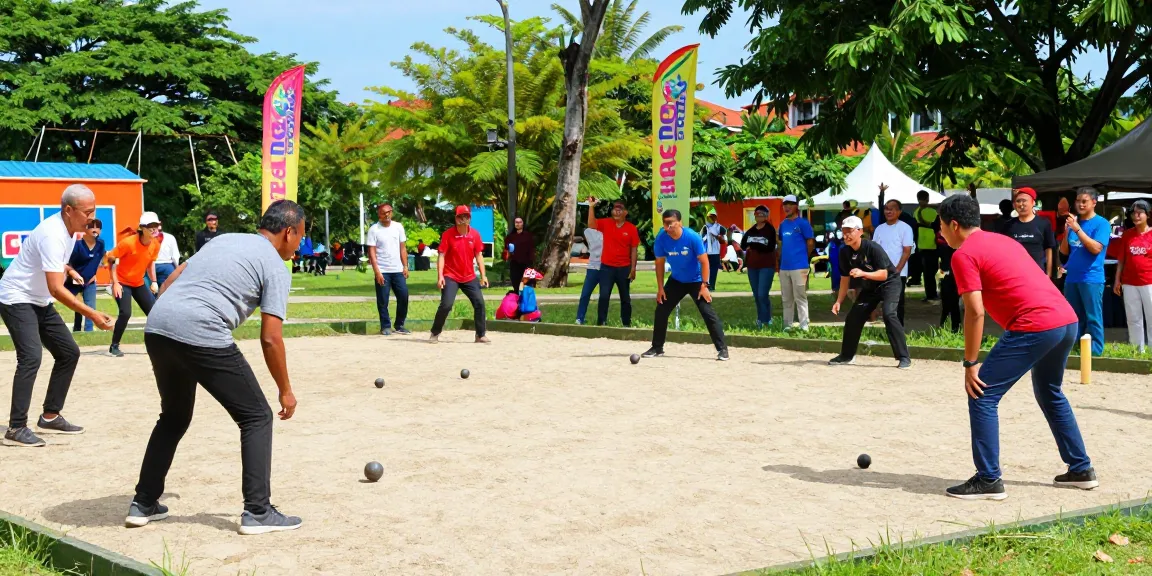
Understanding Petanque and Its Growth in Indonesia
Petanque, a sport originating from France, has captured the hearts of many across the globe, including Indonesia. In recent years, the sport has experienced significant growth, especially in regions like Manado. The emergence of fopikotamanado.org has played a crucial role in promoting and organizing petanque activities in the region, showcasing talent and encouraging community engagement. This article delves into the essence of petanque, its history in Indonesia, and its influence in Manado.
What is Petanque?
Petanque is a strategic form of boules where players aim to throw metal balls as close as possible to a target ball, known as the cochonnet. It emphasizes skill, precision, and teamwork, making it a versatile sport for people of all ages and backgrounds. Played on a variety of surfaces, petanque can be enjoyed casually in parks or competitively at organized events.
The History of Petanque in Indonesia
The introduction of petanque in Indonesia can be traced back to French expatriates who brought the sport to the country. However, the exact timeline remains unclear. Over the years, cities like Jakarta, Lombok, Yogyakarta, and Bali have seen the establishment of petanque facilities, often linked to French-managed hotels. Notably, the Hotel Novotel in Kuta and Hotel Horizon Ancol are prime examples of venues that have embraced this sport.
Initially, petanque was popular mainly among expatriates, but significant developments occurred when Indonesia hosted the SEA Games in 2011. This event marked petanque as a mandatory sport, increasing its visibility and paving the way for local federations to form, such as the Federasi Olahraga Petanque Indonesia (FOPI), which was established to oversee and promote the sport across the nation.
Petanque’s Influence in Manado
Manado, the capital of North Sulawesi, has seen substantial growth in petanque participation. With the support of FOPI Kota Manado, local tournaments and training sessions have become commonplace. The organization’s objectives include fostering local talent and promoting community participation, which has resulted in an increasingly robust petanque culture in the area.
The Role of FOPI Kota Manado
The Federasi Olahraga Petanque Indonesia (FOPI) Kota Manado serves as a pivotal institution in the development and organization of petanque activities in the region. As an official body under the auspices of FOPI Provinsi Sulawesi Tenggara, it works in tandem with KONI Kota Manado, the regional sports authority, to coordinate and regulate all petanque-related initiatives.
Overview of FOPI and Its Mission
FOPI Kota Manado’s primary mission is to enhance the sport of petanque at all levels, from grassroots to elite competitions. By providing resources, training, and funding, FOPI is dedicated to creating a sustainable framework for petanque development in Manado. This mission also encompasses educating the public about the sport’s benefits and fostering a supportive community.
Key Initiatives and Programs
- Training Programs: Regular training sessions are organized for beginners and experienced players alike, focusing on skill enhancement and strategy development.
- Tournaments: FOPI Kota Manado hosts local tournaments, which not only promote competitive spirit but also encourage social interaction among participants.
- Community Outreach: Engaging local schools and community centers to introduce petanque as a recreational activity, thereby increasing participation among younger audiences.
Collaboration with Local and National Sports Bodies
FOPI Kota Manado collaborates closely with both local and national sports organizations to maximize the exposure and growth of petanque. This collaboration has resulted in enhanced access to resources, funding, and promotional activities that benefit athletes and the broader community. By aligning with established sports frameworks, FOPI ensures that petanque gains recognition as a legitimate and competitive sport.
Getting Started with Petanque
For those interested in trying petanque, getting started is straightforward. The following sections cover essential information to help newcomers ease into the sport.
Essential Equipment for Beginners
Starting with petanque requires minimal equipment, making it accessible for many. The basic items include:
- Metal Balls: Petanque balls (boules) vary in size and weight. Beginners are encouraged to start with heavier balls for better control.
- Target Ball: Known as the cochonnet, this smaller ball is crucial for setting the target in each game.
- Measuring Tape: Essential for scoring and determining which player’s ball is closest to the cochonnet.
- Comfortable Attire: While there are no strict dress codes, players should wear comfortable clothing and shoes suitable for outdoor play.
Basic Rules and Techniques
Understanding the fundamental rules of petanque is crucial for enjoying the game:
- Each player or team takes turns to throw their balls toward the cochonnet.
- The goal is to place your balls closer to the cochonnet than your opponent’s balls.
- Scoring occurs at the end of each round, with points awarded for each ball that is closest to the cochonnet.
- Players may knock opponents’ balls away from the cochonnet to improve their position.
Where to Play Petanque in Manado
Manado offers various locations for petanque enthusiasts to gather and play. Public parks, community centers, and sports facilities often have designated areas for petanque, providing a welcoming environment for both casual and competitive play. FOPI Kota Manado can assist newcomers in locating the best spots to get involved.
Challenges and Opportunities for Petanque in 2026
As petanque continues to grow in Indonesia, challenges persist alongside opportunities for further development. Understanding these dynamics can help stakeholders navigate the future effectively.
Current Challenges Facing Petanque
Several barriers can hinder the growth of petanque in Indonesia:
- Limited Awareness: Many people are still unaware of petanque, which affects participation rates.
- Resource Constraints: Lack of funding and facilities can limit the ability to host events and training programs.
- Competition from Other Sports: Dominant sports like soccer and badminton often overshadow petanque, making it difficult for the latter to gain traction.
Future Opportunities for Growth
Despite the challenges, several avenues for growth remain:
- Increased Sponsorship: Partnering with local businesses can provide funding and resources necessary for expansion.
- Engaging Youth Programs: Introducing petanque in schools can foster early interest and skill development, ensuring a new generation of players.
- National and International Tournaments: Hosting larger-scale competitions can attract attention and encourage greater participation.
Strategies for Promoting Petanque Locally
To effectively promote petanque in the local community, several strategies can be employed:
- Awareness Campaigns: Utilizing social media and local events to inform and educate the public about petanque.
- Community Events: Organizing fun leagues and exhibitions that invite participation from different demographics.
- Partnerships with Educational Institutions: Collaborating with schools and universities to create programs that introduce students to the sport.
A Community-Driven Approach to Sports
Petanque’s success in Indonesia is largely attributed to community involvement and grassroots initiatives. Engaging the public fosters a supportive atmosphere for the sport and promotes its long-term sustainability.
Building Community Engagement Through Petanque
Community engagement is vital for creating a thriving sports culture. Through events like local tournaments and family-friendly competitions, petanque can become a communal activity that brings people together.
Case Studies: Successful Community Events
Several successful events have highlighted the potential of petanque in community building:
- The Manado Petanque Festival: An annual event that celebrates petanque with tournaments, workshops, and exhibitions, attracting participants from all over Indonesia.
- School Outreach Programs: Programs where local schools host petanque workshops, leading to an increase in youth involvement and interest in the sport.
Tips for Organizing Local Competitions
To organize successful petanque competitions, consider the following tips:
- Plan Ahead: Organize logistics, including venue, equipment, and timing well in advance.
- Encourage Participation: Promote the event through social media, local businesses, and community boards.
- Provide Clear Rules: Ensure all participants understand the rules and format of the competition to foster fair play.
What are the benefits of playing petanque?
Playing petanque offers a range of benefits, including:
- Social Interaction: It provides a great opportunity to meet new people and foster friendships.
- Physical Activity: While not overly strenuous, petanque contributes to overall fitness, improving coordination and balance.
- Mental Stimulation: The strategic nature of the game challenges players to think critically and plan their moves.
How can I get involved with FOPI in Kota Manado?
Getting involved with FOPI Kota Manado is simple. Interested individuals can visit the organization’s website or attend local events to learn more about upcoming training sessions and tournaments. Engaging with the community and participating in activities is an excellent way to start.
Where can I find petanque courts in Manado?
Petanque courts are available in various parks and sports facilities throughout Manado. Community centers often have dedicated areas for play, and FOPI Kota Manado can provide information on the best locations to practice or compete.
What are the health benefits of playing petanque?
Regularly playing petanque can contribute to a healthier lifestyle by promoting physical activity and mental well-being. The sport helps improve hand-eye coordination, balance, and social interaction, fostering both physical and emotional health.
What’s the future of petanque in Indonesia?
Looking ahead, the future of petanque in Indonesia appears promising. With organizations like FOPI Kota Manado at the forefront, efforts to expand awareness and participation are likely to yield positive results. By nurturing local talent and fostering a community spirit, petanque can continue its growth as a competitive sport in the region.